
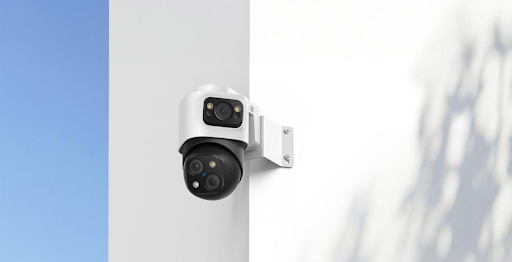
Selecting a continuous surveillance camera requires careful consideration to ensure effective and reliable 24/7 security coverage for your property. With numerous options available, it’s essential to focus on key features and practical aspects to find a system that meets your specific needs. This guide will teach you the important factors to consider, such as video quality, installation preferences, and storage solutions. Whether you’re upgrading your security or installing for the first time, these comprehensive tips will help you make an informed decision. For instance, cameras like the eufy PoE NVR Security System S4 Max, which offer seamless integration with wide-angle and PTZ features, can provide extensive coverage and adaptability to different settings.
Core Features to Look For
Video Quality & Resolution
High video quality and resolution are non-negotiable. A camera system like the eufy PoE NVR Security System S4 Max, which provides a 4K resolution, ensures clarity and detail in surveillance footage. A continuous recording security camera with high resolution allows you to capture fine details consistently, improving identification accuracy. The 4K wide-angle camera captures comprehensive scenes, while the 2K PTZ camera allows for focused surveillance with an 8× auto-zoom capability. When choosing a system, prioritize cameras that offer not only high resolution but also the ability to handle various lighting conditions without compromising image quality. Ensure the system you choose provides night vision and high dynamic range (HDR) capabilities for effective monitoring in different environments.
Field of View & Coverage Area
A surveillance camera’s field of view determines the area it can effectively monitor. The eufy PoE NVR Security System S4 Max, for instance, features a 122° fixed wide-angle view, ideal for capturing large areas. Should you require more detailed monitoring, an additional PTZ camera provides seamless 360° coverage. This flexible approach ensures your setup can adapt to both expansive and focused surveillance needs. Analyzing your specific requirements helps determine the optimal field of coverage needed. Consider areas such as driveways, backyards, and entry points for optimum placement. Choosing a camera with an adjustable field of view can greatly enhance surveillance coverage, ensuring comprehensive property monitoring.
Power Source Options
The power source of your surveillance system is crucial for uninterrupted operation. Explore various options like wired, battery-operated, or PoE (Power over Ethernet) systems. PoE options are attractive since they combine power and data transmission through a single cable, streamlining installation while offering reliable performance. Battery-operated cameras offer flexibility and easy placement but may require regular maintenance to replace or recharge batteries. Wired systems need a direct power connection, providing continuous operation, but could limit placement flexibility due to wiring constraints. Choose a setup depending on your property layout and power availability to ensure efficient and consistent surveillance capability.
Storage Choices: Cloud vs Local
Choosing between cloud and local storage depends on factors like accessibility, security, and storage expansion needs. Cloud storage provides accessibility to your footage from anywhere with internet access, allowing for remote monitoring and backup options. Many providers offer encryption and security measures, protecting your data and ensuring reliable access. In contrast, local storage, such as the eufy NVR system with a pre-installed 2TB HDD (expandable to 16TB), offers direct control over your recordings. Local storage is ideal for scenarios prioritizing maximum security and control over footage. Evaluate scenarios where you might require immediate access to extensive history, with systems supporting large HDD storage or offering a mix of both options, ensuring comprehensive and adaptable coverage.
Practical Tips Before You Buy
Installation: DIY or Professional Help?
Installation is a vital part of the camera setup process, influencing the system’s effectiveness and reliability. Decide whether you’ll take a DIY approach or engage professional help for installation. When considering DIY, ensure you are comfortable with tasks like configuring network settings and aligning camera angles for optimal coverage. However, professional installation offers expertise in positioning cameras for maximum efficiency and ensuring secure, optimal connections. Costs might differ, but the assurance of expert installations might outweigh initial expenses. Regardless of your choice, a well-executed installation guarantees effectiveness, ensuring your surveillance system operates seamlessly and delivers reliable security protection.
Weatherproof Rating & Outdoor Durability
The durability and weatherproof rating of outdoor cameras affect performance against environmental elements. High-rated systems, such as the eufy system with IP65 certification, resist dust and water, guaranteeing longevity despite varied weather conditions. Such features are crucial for cameras stationed outdoors, covering areas exposed to rain, wind, and fluctuating temperatures. Evaluate the camera’s ability to withstand climate impacts and ensure structural integrity. Choosing equipment with solid weatherproof ratings ensures continuous system operation in diverse environmental settings, maintaining reliable surveillance over time and providing resilient protection for exposed locations.
Compatibility With Your Home Setup
Ensuring your chosen camera system meshes well with your existing setup is essential for seamless operation. Assess compatibility with your current network infrastructure and capacity to support multiple devices. An expandable system offers adaptability, allowing upgrades or additional cameras should circumstances change. Verify the camera’s interoperability with smart home devices or systems to integrate security seamlessly into existing configurations. Compatibility assessments ensure your system operates efficiently with potential for future expansion or adaptation. It’s important to evaluate connectivity scope, ensuring the camera can connect smoothly with routers or hubs and offers flexibility for upgrading as security needs evolve over time.
How Much Storage You Really Need
Understanding your storage requirements is essential for effective surveillance, balancing cost with capacity. The eufy system provides scalable storage from 2TB to 16TB, catering to both small and large-scale needs. Consider the amount of footage you’ll retain and the duration of storage, factoring in 24/7 operation implications. Extended footage requires significant capacity, especially with high-resolution systems. High-quality video requires more volume, so ensure your storage solution can accommodate the data load. Evaluate footage retention durations, ensuring downloaded clips storage sufficiency, particularly for legal or evidence-based requirements. Balancing storage capacity against continuous operation ensures security without unnecessary excess.
Conclusion
Choosing a continuous surveillance camera involves careful evaluation of key features and practical aspects to ensure optimal security performance. Assess video quality, field of view, compatibility, and storage needs as primary considerations. Understanding features offered by systems like the eufy PoE NVR Security System S4 Max highlights how robust configurations enhance coverage and reliability. Prioritize installation approach, setup compatibility, and environmental resilience for optimal system integration. Balancing core features with your specific security needs ensures a tailored solution, providing peace of mind through comprehensive monitoring. By focusing on these elements, you’ll secure a surveillance system that meets your requirements effectively, ensuring property protection and consistent, reliable operation over time.