
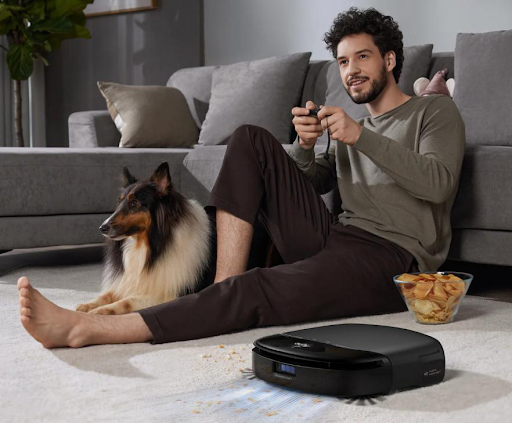
Pet hair can be challenging for any home with furry companions. The relentless shedding means homeowners are constantly in pursuit of effective cleaning methods. Robot vacuums have emerged as a modern solution, promising convenience and efficiency. But can they truly replace the traditional manual cleanup? When assessing a robot vacuum’s prowess in tackling pet hair, it’s essential to recognize its strengths and limitations. A balanced approach that marries both technological and manual methods can be the ultimate answer. Let’s explore how robot vacuums perform with pet hair and when it’s best to rely on manual strategies.
What Robot Vacuums Do Well With Pet Hair?
Daily Maintenance and Regular Hair Pickup
Robot vacuums excel in maintaining a clean floor environment by picking up loose pet hair daily. Their programmed schedules ensure frequent cleaning without human intervention. These devices shine in open areas where pet hair often accumulates, reducing overall hair buildup. Sensors and algorithms allow them to navigate rooms effectively, maintaining consistent cleanliness. This automated routine is particularly convenient for busy households. By handling daily maintenance, robot vacuums prevent hair from becoming overwhelming, creating a neat living space without much effort.
Coverage and All‑Floor Pet Hair Capture
Most robot vacuums are designed to adapt to multiple floor types, from hardwood to tile. They seamlessly transition between surfaces, ensuring no pet hair is left behind. Their circular shape and rotating brushes work in tandem to capture hair efficiently across rooms. Some models even boast advanced mapping technology, ensuring comprehensive coverage. This adaptability is their strong suit, providing consistent results across various floor types. While they may miss tight corners occasionally, their overall performance in capturing hair is impressive, creating cleaner surroundings effortlessly.
Where Manual Methods Still Matter?
Deep Cleaning Pet Hair From Carpets and Upholstery
While robot vacuums are excellent for everyday surface cleaning and maintenance, deep cleaning still requires manual effort. Carpets and upholstery are common hiding spots for pet hair that tends to become deeply embedded in fibers, which robots often struggle to extract. Manual vacuums, with their stronger suction power and specialized attachments, are much more effective at reaching deep into fabric and fibers to remove stubborn pet fur. Regular deep cleaning not only keeps carpets and furniture fresh but also enhances indoor air quality. For pet owners, combining automated routines with manual vacuuming ensures a more thorough and complete cleaning, targeting areas that robots may miss.
Managing Large Clumps and Embedded Fur
Beyond simple surface management, dealing with large clumps and deeply embedded fur requires a more hands-on approach. When pets shed excessively, it’s crucial to manually address noticeable piles that robotic vacuums may miss. Tools like handheld vacuums or lint rollers are highly effective for tackling these trouble spots, ensuring a more thorough cleaning. By directly focusing on heavy-shedding areas, homeowners can maintain cleaner, more hygienic environments, even in high-traffic spaces. Hands-on strategies are also vital for removing fur embedded in fabrics or carpets, as they offer the detailed attention that robotic vacuums alone can’t provide.
Best Practices: Use Robot Vacuums with Manual Methods
Combine Robots With Weekly Manual Sessions
For optimal results, combining the strengths of robot vacuums with scheduled manual cleaning sessions is highly recommended. The best robot vacuum for pet hair efficiently handles daily upkeep, providing regular, automated cleaning to maintain a tidy home. However, weekly manual cleaning is essential to address deeper issues such as trapped dirt, hair, and grime in hard-to-reach areas. This hybrid approach ensures a thorough cleaning without over-relying on technology alone. Manual sessions can specifically target problem spots, eliminating embedded dirt or pet hair. By integrating both methods, homeowners can achieve a balanced, effective cleaning routine, reducing allergen buildup and ensuring a consistently pristine environment.
Groom Pets to Reduce Indoor Hair Load
An effective strategy to reduce cleaning demands is regular grooming. By grooming pets consistently, owners can significantly decrease shedding and the amount of hair that accumulates indoors. Regular brushing and bathing help eliminate stray hairs that would otherwise settle on floors, furniture, and fabrics. This proactive approach not only keeps the home cleaner but also improves pets’ overall health, promoting a healthier coat and reducing stress. By committing to regular grooming routines, pet owners can enhance the effectiveness of robot vacuums, achieving a cleaner living space with minimal manual effort.
Conclusion
Robot vacuums bring convenience to pet hair management, but they can’t replace manual methods entirely. They excel at maintaining daily cleanliness across various floors but can struggle with deeper cleans. Integrated strategies are key, combining robot efficiency with manual diligence. Regular grooming further enhances this blend, reducing shedding at its source. By understanding where robots and manual methods shine, pet owners can optimize their cleaning routines, enjoying cleaner homes with less hassle. The future of pet hair cleanup is not about replacing, but complementing traditional approaches with innovative solutions.