
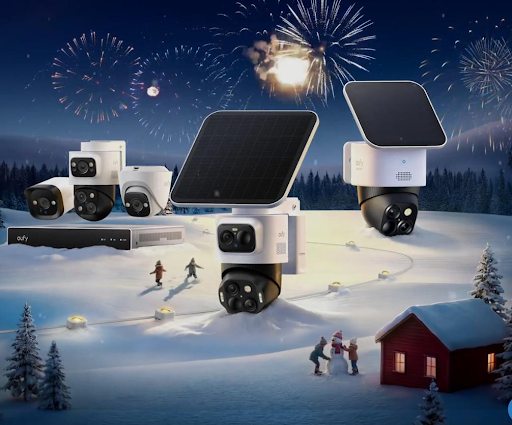
Deciding between wired and wireless security cameras involves understanding your security priorities. Wired cameras connect directly to a power source and recording device, while wireless cameras leverage radio signals, batteries, and sometimes solar power. Your ideal security setup depends on various factors, including property size, internet reliability, and installation preferences. Wired cameras often excel in stable, large-scale installations; whereas, wireless cameras shine with flexible setups and fast installation. As 2026 approaches, technological advancements enhance both systems, making this decision pivotal for effective home and business security. In this guide, we analyze the strengths of each camera type, providing you with a comprehensive insight into which could be the best pick for your 2026 security needs.
What “Wired” and “Wireless” Mean
“Wired” security cameras are connected via cables for power and video transmission, often linked to a DVR or NVR. This setup is known for its reliability and stable performance, especially in areas with interference. Conversely, “wireless” cameras use Wi-Fi or radio frequencies, sometimes powered by batteries or solar energy, providing more flexible installation options. Crucially, each has distinct advantages: wired systems typically offer superior video quality and reliability, while wireless systems focus on ease of installation and adaptability.
Quick Comparison: Wired vs Wireless at a Glance
Reliability and uptime
Wired security cameras offer robust reliability, unaffected by Wi-Fi signal disruptions or battery longevity issues. Their power connection ensures continuous operation, crucial for areas with frequent power outages or unstable internet. These cameras remain unaffected by interference or connectivity issues, providing constant surveillance and peace of mind. Conversely, wireless systems may suffer from connectivity issues, especially in homes with multiple internet-connected devices. However, advancements in wireless technology have improved their reliability in recent years.
Video quality and latency
Wired cameras often provide superior video quality, minimal latency, and uncompressed footage thanks to their direct connection to recording devices. This ensures high-resolution images, critical for detailed surveillance. Wireless cameras, dependent on signal strength and compression rates, can sometimes yield lower resolution footage or experience delays. However, technology advancements have narrowed this gap significantly, with many wireless systems now offering competitive video quality suitable for most security needs.
Installation and flexibility
Many property owners favor wireless cameras due to their quick installation and adaptability. Without the need for extensive wiring, homeowners can easily set up cameras in strategic locations, adjusting placements as necessary. Renters and DIY enthusiasts find this feature particularly appealing. Wired cameras, while requiring professional installation, offer stability and consistent performance, especially for fixed placements. Their setup may involve more effort, but their reliability and quality often outweigh installation challenges.
Wired Security Cameras in 2026: Where They Dominate
24/7 recording without battery stress
In 2026, wired cameras remain a top choice for users seeking uninterrupted recording. Their direct power connection allows them to function continuously without reliance on batteries, eliminating concerns over abrupt power loss or battery changes. Wired systems excel in environments demanding constant surveillance, often found in businesses or large residential complexes. This 24/7 reliability ensures comprehensive coverage.
Stable performance in busy Wi-Fi homes
For households saturated with Wi-Fi devices, wired cameras provide stable performance, unaffected by network congestion. Wired systems connect directly to recording units, ensuring video transmission remains smooth and interference-free. This feature is ideal for tech-savvy homes where multiple smart devices could disrupt wireless signals. Wired systems guarantee consistent video quality, unobstructed by network overloads.
Best fit for large properties and multi-camera systems
Properties requiring extensive coverage often benefit from wired systems due to their scalability and robust infrastructure. Installing multiple cameras seamlessly integrates them into a unified network, allowing centralized monitoring. This advantage is crucial for sprawling estates, business facilities, or locations needing high-detail surveillance. Wired installations support large-scale configurations, accommodating numerous cameras without compromising performance.
Wireless Security Cameras in 2026: Where They Win
Fast setup for renters and DIY households
Wireless cameras are favored for their simplicity and ease of installation, particularly appealing to renters and DIY enthusiasts. Without cabling, installation is straightforward, allowing users to quickly mount cameras in preferred locations. This approach benefits those seeking immediate protection, offering flexibility to relocate cameras as needed. It ensures renters maintain security without permanent installations, making it a versatile option.
Flexible placement for tricky spots
Choosing wireless cameras opens opportunities for placement in challenging locations. Without wiring constraints, users can position cameras in areas covering blind zones or high-risk points. This flexibility allows optimum coverage, crucial for comprehensive security strategies. Whether monitoring secluded spots or adjusting coverage to address new threats, wireless cameras provide the adaptability to customize security setups effectively.
Solar + long-life batteries: what’s improved for 2026
Advancements in battery technology and solar integration make wireless cameras increasingly appealing. Long-life lithium batteries paired with solar panels reduce maintenance, enhancing camera reliability. In 2026, these improvements allow extended standalone operation, minimizing frequent battery replacements. This technological progress maintains wireless cameras’ adaptability while boosting performance, addressing user concerns about power reliability.
Choose the Right Camera for Your Home
Apartments and rentals
For apartment dwellers and renters, wireless systems offer optimal convenience. Quick installations and removal ease transition between residences, preserving investment. Wireless cameras deliver effective security without permanent modifications. Whether covering entrances or ensuring balcony safety, these cameras offer adaptability to enhance security without infringing lease conditions.
Suburban homes with yards and garages
Suburban households, with sprawling yards and garages, benefit from hybrid setups. Wired cameras effectively monitor main entrances and high-traffic areas, ensuring detailed surveillance. Wireless cameras enhance coverage in spots requiring adaptable monitoring, such as gardens or detached garages. Combining both systems ensures comprehensive security without coverage gaps, addressing diverse property needs.
Rural homes and weak internet areas
Rural locations often face weak Wi-Fi signals and power fluctuations, making wired cameras suitable due to their uninterrupted service. Wireless systems with solar panels and advanced batteries offer equal suitability, maintaining functionality despite connectivity challenges. Balancing reliable wired setups with resilient wireless solutions ensures consistent security, providing peace of mind amidst unpredictable rural conditions.
Small businesses and storefronts
For small businesses, wired systems offer reliable surveillance for cash handling areas and entrances, deterring theft and ensuring customer safety. Wireless cameras enhance coverage, monitoring auxiliary spaces and private zones. Combining both systems creates a comprehensive security strategy, catering to unique business requirements effectively. This setup addresses operational security concerns, ensuring thorough surveillance.
2026 Buyer’s Checklist: Don’t Buy Until You Check These
Before purchasing security cameras for 2026, evaluate key factors ensuring optimal investment returns. Assess the property’s size and specific coverage needs, identifying high-risk zones. Determine whether continuous power supply or flexible placement suits your requirements. Consider video quality demands, balancing resolution with latency concerns. Review internet stability, choosing systems accommodating existing connectivity. For environmentally conscious choices, explore solar and long-life battery options. Finally, compare costs, not just purchase prices but long-term maintenance expenses. These considerations ensure informed decisions aligning with future security needs.
Conclusion
Selecting between wired and wireless security cameras hinges on individual security requirements and property characteristics. Wired cameras provide reliability, ideal for large properties and consistent surveillance. Wireless cameras, with flexibility and easy installation, serve dynamic needs and temporary setups. Evaluate your environment, addressing coverage needs, and connectivity to make informed choices. Understanding advancements in camera technology ensures robust security solutions for 2026. Offering pros and cons of each system aids decision-making, ensuring comprehensive security coverage according to priorities.