
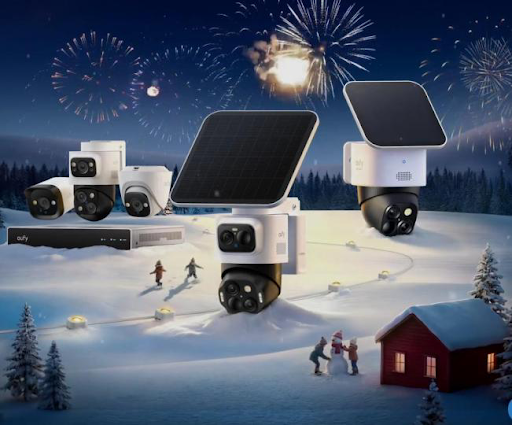
When selecting wireless outdoor security cameras, understanding key aspects will help secure your property effectively. This guide delves into power sources, video quality, alert systems, storage options, connectivity, and privacy concerns. We emphasize choosing features that enhance security while considering top eufy options. Choosing the right wireless outdoor security camera involves more than just picking the one with the best reviews. It requires assessing factors specific to your home and needs. From power options like solar or battery, to video resolution that ensures clarity, every aspect plays a crucial role. Alerts and storage remain vital for consistent monitoring, while connectivity ensures reliability. Privacy cannot be ignored, as secure data handling is paramount. This guide breaks down these elements and presents optimal camera choices.
Start With Your Home: Coverage, Mounting, and Daily Use
Evaluating the layout of your property is crucial when selecting cameras. Determine areas requiring coverage and corresponding mounting points. Consider how camera placement affects daily usage. Opting for weather-resistant models ensures functionality in diverse conditions. Ease of access for battery replacements or adjustments should be prioritized, along with ensuring cameras blend with surroundings to prevent tampering or visibility issues.
Power That Won’t Quit: Battery vs Solar vs Wired vs 4G/LTE
Battery cameras for flexible placement
Battery-powered cameras offer versatility, allowing placement in hard-to-reach areas. Installation is simple, as no wiring is required. However, regular checks are necessary to ensure battery life doesn’t compromise security. Advanced models provide extended battery life, minimizing maintenance encounters and ensuring continuous monitoring without disruptions.
Solar cameras for “set and forget” power
Solar-powered cameras provide a reliable, sustainable energy source. Once installed, they offer “set and forget” convenience, reducing the need for battery changes. It’s essential to assess sun exposure to ensure efficient operation. While offering great freedom, initial placements are crucial to maximizing energy harvested throughout each day.
Wired power for 24/7 needs
Wired cameras are ideal for continuous operation, as they’re not dependent on battery life or sunlight. They provide unmatched reliability for constant monitoring but require intricate setup involving cable management. Choose wired solutions when your priority is uninterrupted surveillance, especially in areas where power availability is consistent.
Video Quality That Actually Helps: Resolution, Night Vision, and View
2K vs 4K and what detail you gain
Resolution is key to capturing clear, detailed images. 2K offers great clarity for day-to-day use, while 4K provides exceptional detail, especially for larger properties or intricate monitoring needs. Higher resolution cameras ensure crucial details aren’t missed, aiding in recognizing faces and identifying subjects accurately.
Color night vision, spotlights, and IR range
For nighttime security, cameras equipped with color night vision or spotlights deliver enhanced visibility. Combining infrared with floodlights offers diverse functionality in low-light situations. A camera with a robust IR range ensures visibility over greater distances, maintaining security even in pitch darkness.
Wide-angle vs pan-and-tilt coverage
Camera field-of-view affects coverage breadth. Wide-angle lenses cover more terrain but lack detailed focus. Pan-and-tilt models allow dynamic viewing angles, offering focused monitoring on demand. Choose based on specific area requirements: stationary wide-angle for broad areas or pan-and-tilt for active management.
Alerts You Can Trust: Motion Detection, AI, and Smart Features
PIR vs radar vs pixel detection basics
Motion detection technology ranges from PIR sensors—ideal for detecting changes in heat, to radar systems offering frequency-based detection. Pixel detection identifies changes within the camera’s field, detecting motion variations. Understanding your environment will help prioritize which method best suits your security needs.
AI detection for people, pets, and vehicles
AI-enhanced cameras differentiate between people, pets, and vehicles. This minimizes false alerts, making security systems more efficient and responsive. Investing in AI tech enhances verification processes, reducing unnecessary notifications and ensuring genuine threats receive immediate attention.
Sirens, lights, and two-way talk that deter
Prevent break-ins with cameras featuring sirens or lights triggered upon detection. Two-way talk capabilities allow you to communicate when an intruder is detected, further deterring unwelcome guests. Integrated deterrence features prove effective in proactive security management.
Storage and Fees: Local Recording, Cloud Options, and Total Cost
Local storage and why it matters
Local storage is critical for securing footage without relying on external services. Whether via SD cards or local NVR systems, it guarantees you control over recorded data. Privacy concerns are diminished with local recording, and access remains consistently available regardless of internet connectivity.
Cloud storage pros, cons, and hidden costs
Cloud storage offers remote access to footage and enhances security through off-site data handling. However, consistent subscription fees can accumulate. Evaluate the cost-benefit ratios alongside proprietary storage limits to ensure you’re maximizing investment without excessive costs.
How to estimate real 3-year ownership cost
In determining the cost-effectiveness of security camera systems, include initial purchase, installation, regular energy consumption, and subscription services. 3-year estimates account for long-term impacts on budget, presenting a realistic view of expenditure over time.
Connectivity and Reliability: Wi-Fi Strength, Range, and App Performance
Wi-Fi placement tips for stable live view
Camera performance relies on stable Wi-Fi connectivity. Strategically placing routers or extenders benefits signal strength, ensuring uninterrupted live views. Assessing feed reliability in relation to Wi-Fi positioning maximizes the effectiveness of your surveillance system.
Battery drain vs signal strength trade-offs
Wireless capabilities often impact battery life significantly. Regular connectivity checks prevent unexpected downtime and determine required Wi-Fi strength to sustain operations. Balance placement and energy conservation to enhance system reliability without increasing power drain dramatically.
What to check in the app before you buy
The camera’s application plays a crucial role in daily operations. Before purchasing, ensure apps offer robust security features, intuitive navigation, and compatibility with your devices. Integrated app functionality must promote seamless use and clear communication.
Privacy and Security: Data Control, Encryption, and Safe Sharing
What “on-device AI” can change
On-device AI promotes privacy by processing data locally within the camera. It enables quicker response times and heightened data security by assuring information doesn’t leave the device. Evaluate tech specifications to leverage improved privacy dynamics.
Secure sharing for family and neighbors
Effective security systems allow sharing access with trusted individuals easily. This includes grantable permissions for family or neighbors without compromising personal data. Password protection and encryption further safeguard transmissions from unauthorized access.
Best settings for privacy-first recording
Privacy-first setups prioritize data encryption and controlled access mandates. Choose optimal recording settings that keep footage strictly visible to intended users only. Regular audits and updates reinforce privacy measures, adapting to evolving threats continuously.
Best eufy Wireless Outdoor Camera Options to Consider
Eufy offers several impressive wireless outdoor cameras fit for varied requirements. The eufyCam 3 is renowned for its high resolution, AI detection capabilities, and stellar battery life. Consider eufyCam 2C Pro for affordability paired with reliable video quality. These options prioritize user-friendly installation, exceptional app integration, and privacy settings that empower secure monitoring. Evaluate models based on your specific needs, considering budget constraints and security priorities as guiding factors.
Conclusion
Choosing the perfect wireless outdoor security cameras encompasses more than appreciating advanced features. It requires holistic consideration of installation requirements, ongoing power solutions, video specifics, and alert functionalities tailored to your home. Security upgrades promise a safe environment, but vigilance regarding cost structures, connectivity reliability, and privacy management remains essential. Eufy offers compelling camera choices facilitating peace of mind without compromising quality. By focusing on informed selections, investment in security technology assures worthwhile protection.