
Cataracts, also called Motiyabind, are one of the leading causes of vision impairment and blindness worldwide. While age is the most common factor, cataracts can develop in people of any age, gradually clouding the eye’s natural lens and making vision blurry. If left untreated, cataracts eventually lead to significant vision loss or complete blindness.
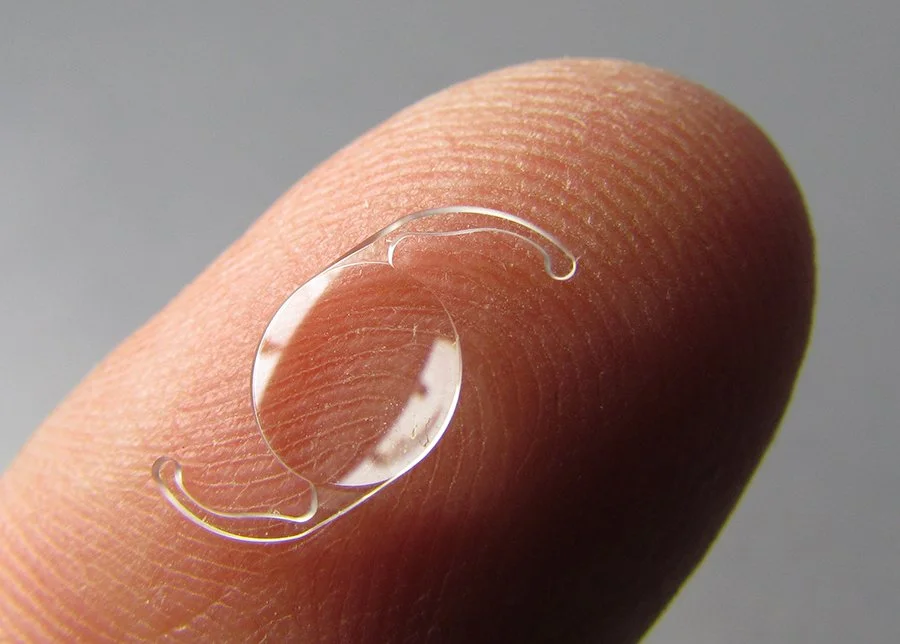
Currently, there is no medication or eye drop that can remove cataracts. The only effective treatment is cataract surgery, during which the cloudy natural lens is replaced with a permanent artificial lens, known as an Intraocular Lens (IOL). Choosing the right lens is a crucial decision, as it determines your vision quality after surgery and affects your daily life for years to come.
This blog focuses on helping you choose the best lens for cataract or motiyabind operation based on your vision needs, lifestyle, and expectations after surgery.
Understanding Cataract Surgery
Cataract surgery is a safe and straightforward procedure. The surgeon removes the cloudy lens and implants an artificial lens in its place. While the surgery itself usually takes only a few minutes, the total time spent in the hospital is typically 3–4 hours, including preparation and post-operative care. Modern cataract surgery is painless, stitch-less, and allows rapid recovery, enabling most patients to resume normal activities within a few days.
There are two primary surgical methods:
- Small Incision Cataract Surgery (SICS): The cataract-affected lens is removed through a small incision, and a lens implant is placed.
- Phacoemulsification (PHACO): A more advanced technique using ultrasound waves to break up and remove the cloudy lens. PHACO surgery is preferred by many ophthalmologists because it is precise, less invasive, and provides faster visual recovery.
The choice of surgical method may depend on the cataract’s maturity, the patient’s eye condition, and the surgeon’s recommendation.
Types of Lenses for Cataract Surgery
The choice of lens, or IOL, is a key factor in determining how well you will see after cataract surgery. Not every lens suits every patient—your eye health, lifestyle, visual needs, and budget all play a role in selecting the best option. Here’s a breakdown of the most commonly used IOLs:
- Monofocal Lenses
- Provide clear vision at a single distance, usually far.
- Affordable and widely used in India.
- Patients usually need glasses for near tasks like reading or sewing.
- Provide clear vision at a single distance, usually far.
- Multifocal Lenses
- Designed to provide vision at multiple distances: near, intermediate, and far.
- Reduce the dependence on glasses after surgery.
- Not all patients are suitable candidates, particularly those with pre-existing eye conditions.
- Designed to provide vision at multiple distances: near, intermediate, and far.
- Toric Lenses
- Correct both cataract and astigmatism.
- Available as monofocal or multifocal options.
- Ideal for patients with irregular corneal curvature or pre-existing astigmatism.
- Correct both cataract and astigmatism.
- Accommodative Lenses
- Mimic the natural lens by allowing the eye to adjust focus between distances.
- Provide more natural vision compared to standard multifocal lenses.
- May still require glasses for very close tasks.
- Mimic the natural lens by allowing the eye to adjust focus between distances.
- Extended Depth-of-Focus (EDOF) Lenses
- Advanced multifocal lens type providing a continuous range of focus.
- Reduce halos and glare often associated with traditional multifocal lenses.
- Ideal for patients who want a balance between clear vision at multiple distances and fewer visual disturbances.
- Advanced multifocal lens type providing a continuous range of focus.
- Light-Adjustable Lenses
- Can be fine-tuned after surgery using specialized UV light treatment.
- Offers personalized vision correction post-surgery.
- Requires several follow-up visits for adjustments.
- Can be fine-tuned after surgery using specialized UV light treatment.
Choosing the Right Lens
Selecting the best lens depends on multiple factors:
- Budget: Monofocal lenses are more affordable, while advanced multifocal, EDOF, or light-adjustable lenses are more expensive.
- Lifestyle: Patients who spend much time outdoors, drive at night, or need near vision for reading may benefit from multifocal or EDOF lenses.
- Vision Conditions: Pre-existing conditions like astigmatism or presbyopia influence lens choice. Toric lenses are ideal for astigmatism, while multifocal or EDOF lenses address presbyopia as well.
- Expectations: Discuss your post-surgery vision goals with your eye surgeon. Whether you want to reduce dependence on glasses or have optimal night vision, your doctor can recommend the lens that aligns with your lifestyle.
Cost Considerations
Lens and surgery costs vary depending on the type of IOL and surgical method.
- Monofocal lenses: Affordable option, excellent distance vision, but glasses needed for near tasks.
- Multifocal lenses: Reduce the need for glasses, higher cost.
- Toric and EDOF lenses: Ideal for astigmatism and active lifestyles, more expensive than standard lenses.
- Light-adjustable lenses: Most advanced, personalized vision correction, requires follow-up adjustments.
Always ensure that the surgery package includes all expenses: lens cost, OT charges, doctor fees, and hospital stay.
The Bottom Line
There is no single “best lens” for everyone. The ideal lens depends on your eye health, lifestyle, and expectations after surgery. Monofocal lenses are suitable for budget-conscious patients or those comfortable wearing glasses post-surgery. Multifocal, Toric, EDOF, or accommodative lenses cater to those seeking greater independence from spectacles and better visual performance across distances.
Consulting your eye specialist or ophthalmologist is essential. A detailed discussion about your lifestyle, visual needs, and budget ensures the right lens choice, providing optimal vision after cataract or Motiyabind surgery.
With the right lens and modern cataract surgery techniques like PHACO, patients can regain clear, comfortable vision and enjoy daily life without limitations.